What is it like to work at Rockstar Games? Marielle Reuser’s story
By MetStudios
19 November 2026
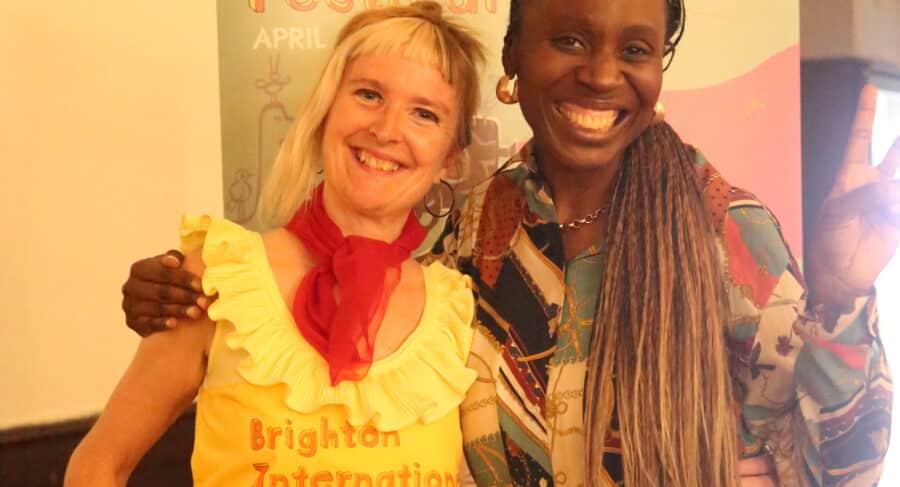
With the release of Grand Theft Auto VI, we’re catching up with Course Leader Marielle Reuser, who spent nearly a decade working at Rockstar Games. Between 2009 and 2018, she worked as a 3D Artist at Rockstar Leeds on Grand Theft Auto: Chinatown Wars, GTA V, and Red Dead Redemption II.
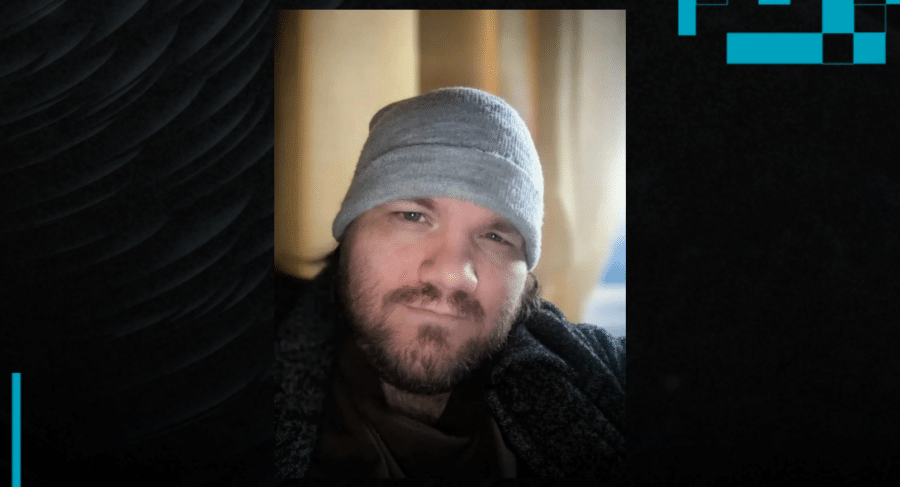
She’s now joining BIMM University’s Creative Futures team, and MetStudios in particular, as a Careers Advisor. Marielle describes herself as a bit of a natural hype person: she loves encouraging people to believe in themselves and giving them that little push from the sidelines.
What did your work as a 3D Artist at Rockstar actually involve on a day-to-day basis?
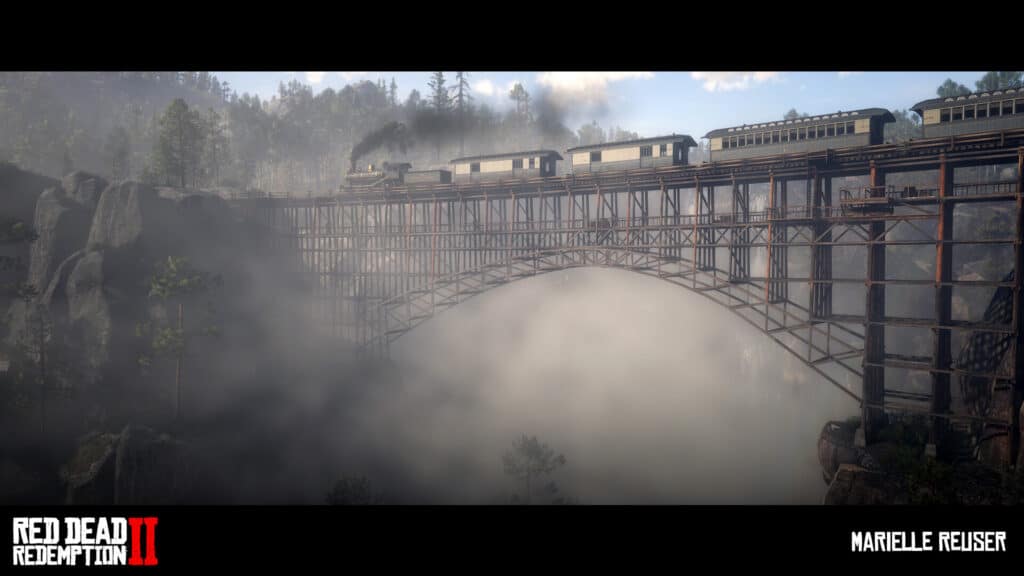
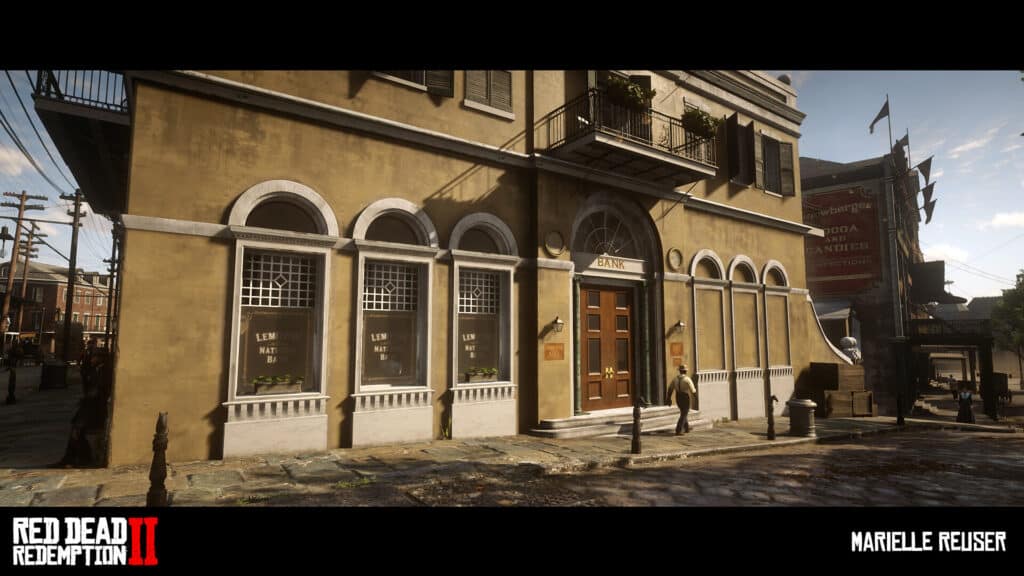
A lot of my work involved building environment assets, from structures and buildings to occasionally props and set dressing work. I’d work from photographic references, build the geometry, and then texture everything. We had shared texture libraries to work from, but I’d also create my own textures where needed. It’s a very collaborative process: you’re constantly sharing work, getting feedback from colleagues, and interacting with new tools. I have a Masters in Animation for Computer Games, but I pretty much learned everything on the job from the folks sitting next to me.
What would you say makes a Rockstar game recognisable from an artistic point of view?
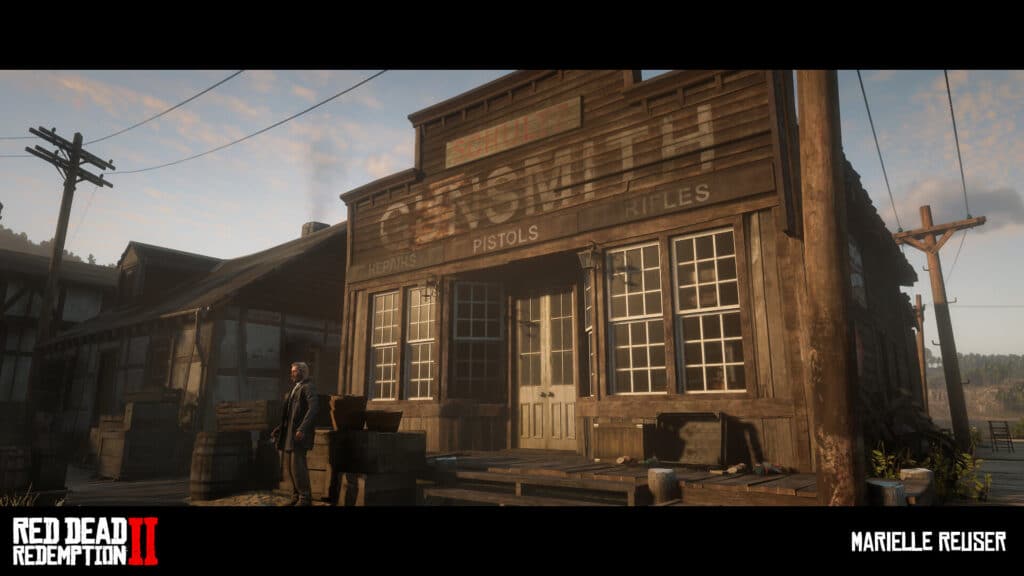
For me, it’s the attention to detail and the fact that you can really see the artist’s hand. For example, the details are a little pushed. During the making of Red Dead Redemption II, we paid special attention to what makes a world look lived in. Little bits of litter on the ground, dirt dripping underneath roof ledges, weathering causing imperfection, and colour changes due to the materials interacting with the elements and touch. You can see the same approach in GTA VI, with its graffiti, stickers, street clutter, electrical cables, and wear and tear. It’s all informed by real life, and that’s what makes these environments feel so convincing.
GTA is a very British game, isn’t it? How important are the UK studios behind it?
Absolutely! I think people sometimes forget just how much of this industry is happening here in the UK. I worked at Rockstar Leeds, and Rockstar North in Edinburgh has been at the heart of the GTA series. Scotland has a particularly important place in its history, with the studio’s roots going back to DMA Design in Dundee. There is also a branch in London, pretty near to where I’m based at MetStudios.
What was the best thing about working at Rockstar?
Honestly, the people. You spend so much time working together that you end up making friends for life. Some of my old colleagues are still at Rockstar, and I’m incredibly proud of them. Seeing GTA VI coming out is quite emotional in a way, because I know some of the people behind it and how much of themselves they’ve put into the artwork or mission design.
You’re now joining the Creative Futures team. What can students expect from you?
Some first class bridge building!
Interestingly, I actually found my job at Rockstar through networking. I went along to a Game Republic student showcase event, attended by local developers, which eventually led to an interning opportunity at the Leeds studio. During my sessions with students, I’ll be helping them find similar events, networking opportunities, and internship schemes. I also organise masterclasses with industry professionals available to all MetStudios locations, including London, Brighton and Berlin. As a Careers Advisor, I’m that friendly face or trail guide, helping students find their feet in the creative industries, particularly games and animation.
Finally, what are your top tips for students hoping to get into games?
Don’t rely on your university assignments alone when building your portfolio. Eliminate distractions and always have a little project on the go. Then, create an easily accessible website with personal projects, including polished work, but also experiments and breakdowns that explain how you’ve made something. Be an artist first and foremost; this is a lifelong practice. Train your eye with things such as life drawing. Keep a diary with reflections, ideas, and sketches. Keep learning new software, explore collaborating with the wider game dev community (modding is a good idea!) and find your niche. And remember to credit other artists and collaborators when posting online. Games are rarely made in isolation, so understanding how to share ideas and work with other people is just as important as your art and technical skills.
Create your own games at MetStudios
For courses starting in September 2027, the UCAS deadline is Wednesday 13 January 2027. Don’t miss out! Make sure your BA application is submitted by this date to ensure it is considered.