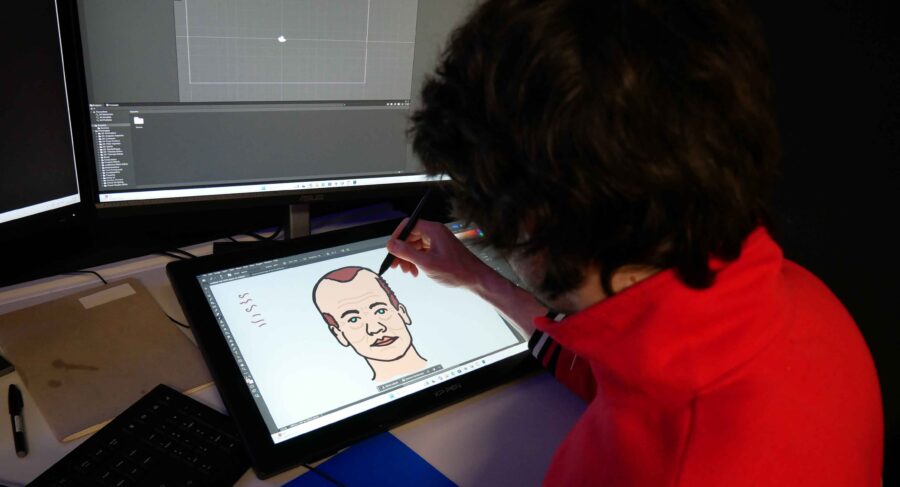
Spotlight on: Bradley Dean, Course Leader, BA (Hons) Games Design and Development
By metstudios
02 June 2026
We recently sat down with Bradley Dean, Course Leader for BA (Hons) Games Design and Development at MetStudios, to learn more about the course, his journey through the games industry, and the skills students need to thrive in today’s creative landscape.
With experience spanning game design, music composition, tabletop gaming, and industry consultancy, Bradley brings a unique perspective to teaching. In this interview, he shares how the course helps students develop both the creative and technical skills needed for careers in games and beyond.
For anyone new to our Game Design and Development course, how would you describe what it is all about?
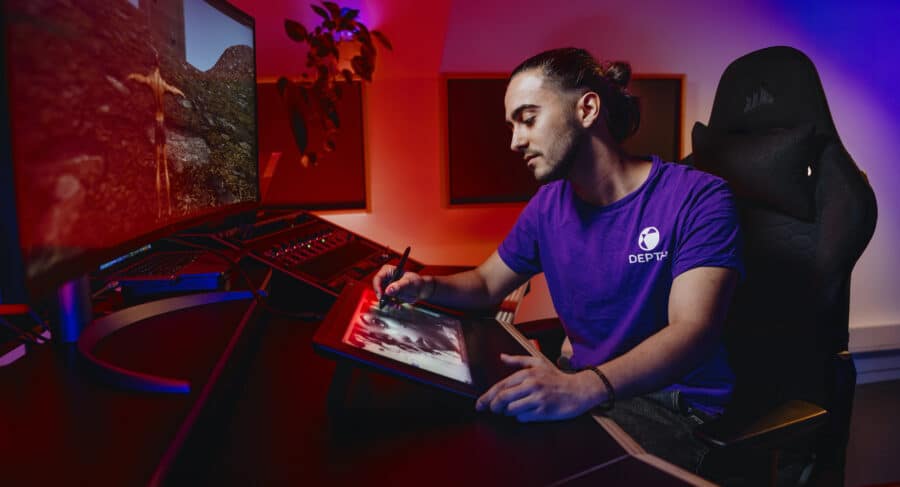
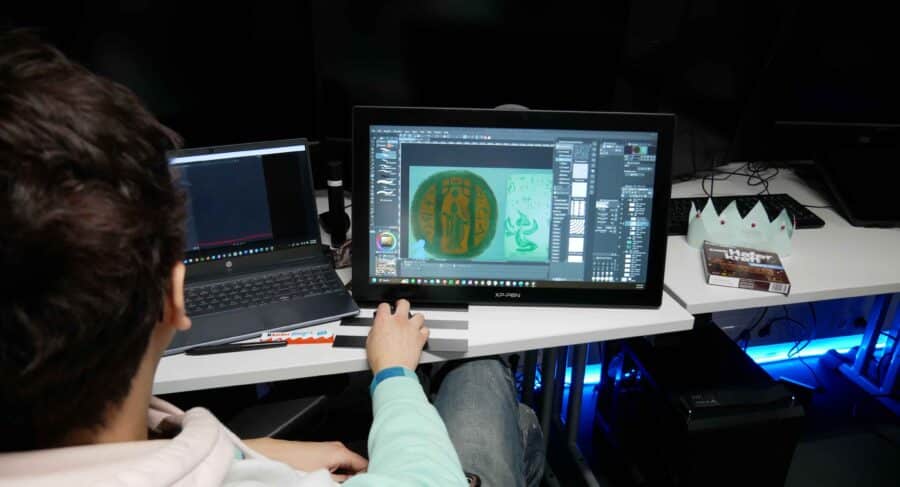
It’s about thinking ahead for your future career, becoming versatile. In the past year, students here have been learning Unity, Unreal Engine, Bitsy, and other key game development software, which are all widely used in the industry. On the game design side of things, students explore game systems, player psychology, rapid prototyping and more.
Above all, it’s about becoming creatively and technically fluent, knowing how to shape your ideas and taking them from concept to final production. And having fun whilst you do it too!
How do students collaborate and work together throughout their studies?
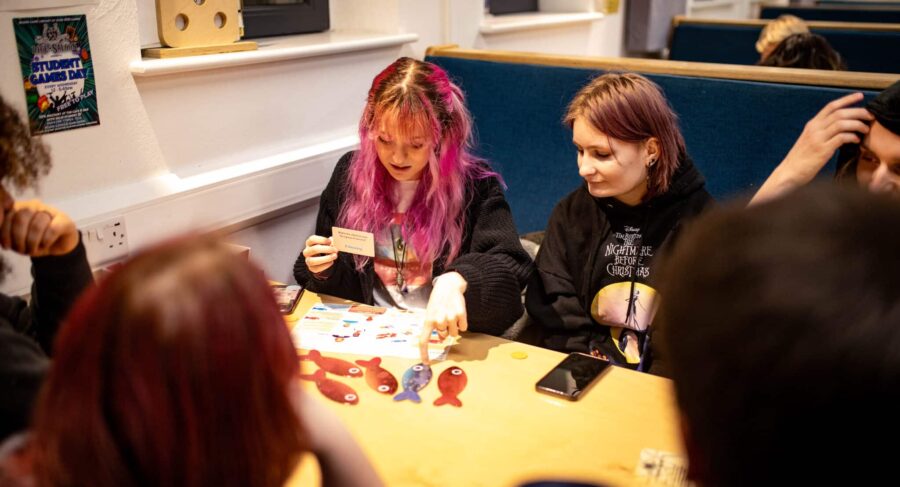
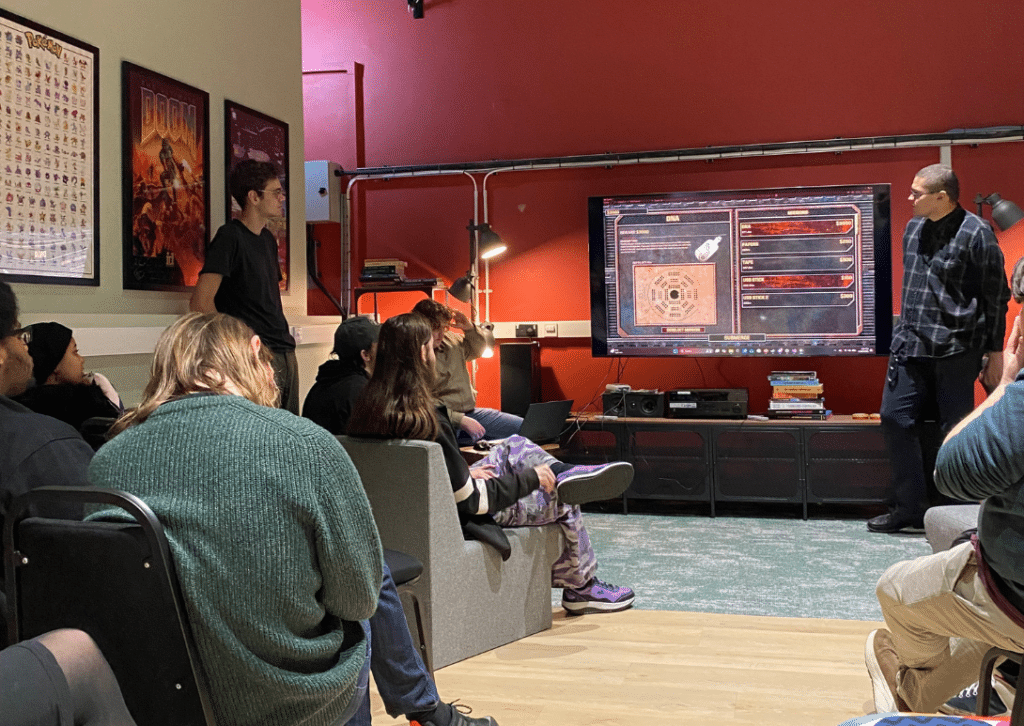
This semester we decided to have a ‘game jam’, an event where you make a game rapidly as a team. It was cross-discipline and it was between years, meaning that we had 2nd year and 1st year students working together from both art and development backgrounds. The end result was fantastic, and the feedback from students is that they would like to have a game jam at the start of each semester going forward.
Aside from that, students will have multiple opportunities to work in groups throughout their studies, exchanging insights and collaborating – resulting in a better collective output.
How does your own professional experience feed into your teaching?
I have worn many hats in the games industry, and so I bring many perspectives! I started out as a musician composing music for flash games on Newgrounds, and later I ran a board games lounge in central London where I taught thousands of people every week how to play board games. Alongside all of that, I’ve worked as a mobile game design consultant, helping bespoke brands in fashion and finance carve out their own niche. And more!
Needless to say, I’ve seen how games operate from many angles – as a creator, a designer, and as a business liaison. This lateral familiarity gives holistic strength to my teaching, as I can confidently tell you how art, music, design, and development might all need to work together in their own unique aspects.
How does the course prepare students for careers in games, creative media, and beyond?
Ultimately the key word is versatility again. You’re going to become familiar with different methods, you’re going to have rapid projects where you will fail fast and learn quickly, with momentum carrying you project to project throughout. This is crucial for where the industry is at presently – you need to be ready with Plan A, B, C and more.
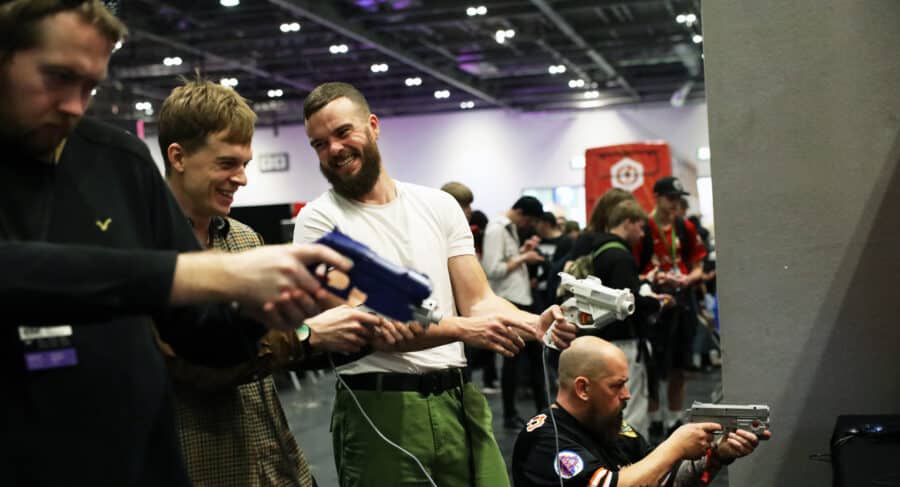
Knowing the right tools, having frequent engagement with industry events, and working together across cohorts – this all gets you ready for the pace you’ll need to be at in this ever-developing digital era.
How is the course evolving to keep pace with emerging technologies like AI, VR, and real-time engines – and what does that mean for students starting today?
Augmented Reality (AR), Virtual Reality (VR), and Mixed Reality (MR) – collectively known as XR or Extended Reality – are all key players. Steam is about to release their next gen VR headset known as ‘Steam Frame’, which is being pitched not only as a VR headset but also as another way to play your games library. We’ve recently purchased a Quest 3 and some of our lecturers have worked in VR, so we’re definitely prepared here.
Aside from this, there is the pertinent discussion regarding AI and how we prepare for this going forward. A recent visit to the Unity HQ in Brighton made it clear that AI tools already have a place within present workflows, so we are close to the pulse of the industry where this is concerned.
What advice would you give to aspiring game designers starting out today?
Attend game jams! Go on itch.io and check out the game jam calendar, and start making games as soon as possible. Game Makers Toolkit (GMTK), Brackeys, Global Game Jam, Nordic – these are all great opportunities to simply start creating and learning by doing.
If you could sum up the course in three words, what would they be?
Indie, quirky, and hands-on.
Are you interested in becoming a game designer?
Discover more about our BA (Hons) Games Design and Development degree here.
Sign up for one of our Open Days or apply via UCAS.