In conversation: the founder of Brighton International Animation Festival
By METSTUDIOS
21 April 2026
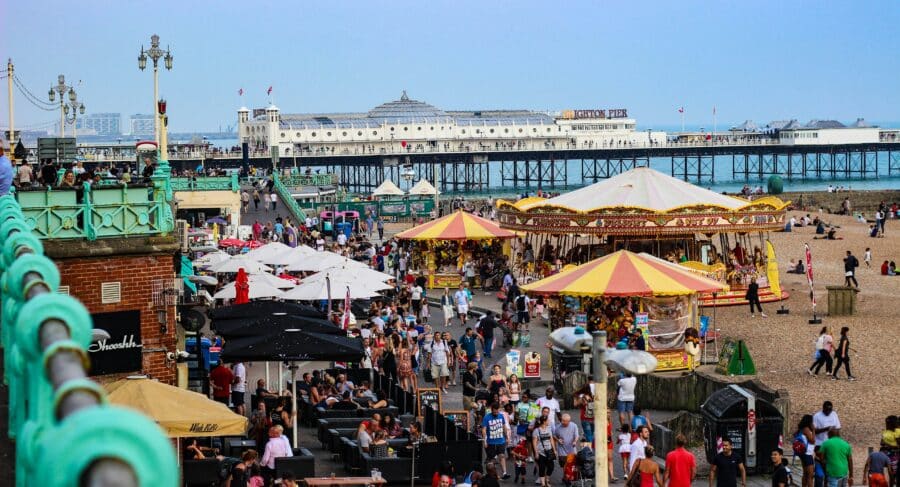
The Brighton International Animation Festival (BIAF) has quickly made a name for itself in the UK’s animation scene since its launch in 2021 by award-winning filmmaker Kate Jessop. Now returning for its fifth edition on Friday 24 – Sunday April 2026, the festival continues to grow in scale and ambition.
This year sees BIAF take over the iconic Brighton Dome, reflecting its rising profile and expanding audience. A new interactive Virtual Reality (VR) hub also joins the programme, offering audiences new ways to experience animation beyond the traditional screen.
Inclusivity remains central to the festival’s identity, with a strong focus on accessibility and representation. This is reflected in its vibrant programme, which includes a dedicated selection of LGBTQ+ short films that spotlight diverse voices and stories.
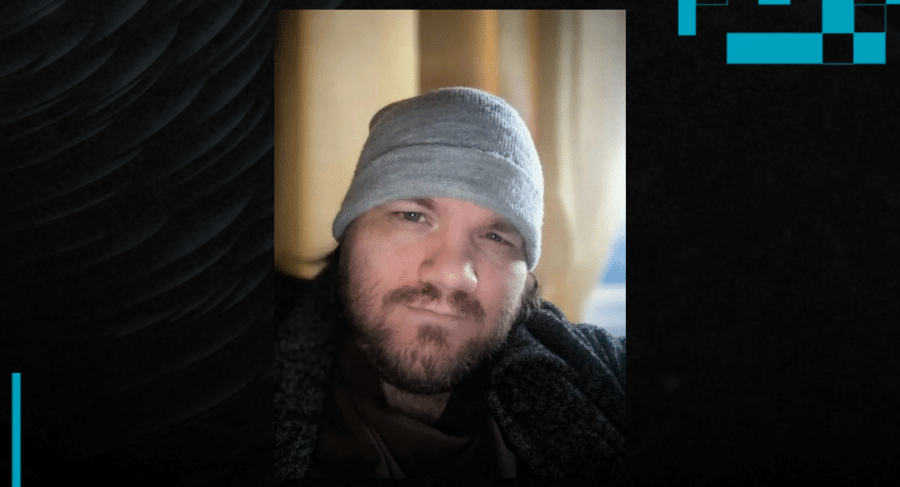
MetStudios are proud to be sponsoring this year’s festival and had the chance to catch-up with Kate Jessop to talk about her career in animation and this year’s festival.
How did your journey as an award-winning animation filmmaker begin?
I was doing club visuals in Manchester when I got approached to work on some adaptations by Comma Film, through Ra Page of Comma Press, about 20 years ago. The first film I ever made was called Desire, a Gaia Holmes poetry adaptation. It ended up being shortlisted for the very first Virgin Media Shorts prize, represented the UK in Best of Women in Film and TV, and was signed for distribution by Shorts International.
The success of that film introduced me to a world of film festival circuits I didn’t even know existed. I travelled the world with my work and have ever since. I carried on doing music videos for a bit, but since then I’ve also worked in both narrative and factual animation, including animated documentaries and explainers.
In terms of my own writing, I developed my own sketch comedy adult animation digital series Planet Pussy Willow (formerly Tales of), which won a ton of awards when it first came out and features a lot of queer themes and absurdity. These days I’m probably best known for my work in queer animation, but actually I started out through my love of music.
Looking back to the festival’s launch in 2022, how has it evolved over the past five years?
It evolved massively, going from a 70-capacity basement space at Latest Music Bar in 2022 to being endorsed by BAFTA in 2024, and now moving to the Brighton Dome. Moving to a much bigger venue with tiered seating feels like a big step.
Programme-wise, it’s expanded too. In 2023 I introduced the AR exhibition, and this year we’re bringing in a VR Hub for the first time. It’s also grown into year-round events, such as Draw Drag/Draw Dancers life drawing classes and monthly pop-up screenings for people who couldn’t attend the annual festival.
‘You’ve Got to Laugh’ is the festival’s first dedicated comedy programme. What made this the right moment to introduce it?
Honestly, it’s the first time I’ve had enough comedy submissions to make a full programme! There hasn’t been a lot of comedy animation in recent years, and as the title suggests, it’s good to laugh.
It’s important to highlight serious topics too, which many of the other programmes do, for example, Winter in March in Puppet Stories, which charts a woman’s real-life escape during the war in Ukraine. Animation is brilliant in how it takes you into worlds and perspectives you might not otherwise experience. But it’s equally important to balance that with lighter material, like judo dogs and amorous toothbrushes.
The jury brings together people from different areas of animation and the wider industry. How important is it that the panel reflects a range of voices and perspectives
It’s essential, and it reflects my vision for the festival: diversity in both form and whose voices we hear.
This year we have Golden Wolf from the commercial 2D animation industry, Nina Gantz from independent animation (an Oscar-winning stop-motion director), and Amy Ashton, who works at a community level through BlackFrame, elevating Black talent in animation, and is also part of Women in Animation.
BIAF is known for its strong commitment to accessibility. What are you most proud of in making the festival welcoming to all audiences?
Making animation accessible is really important to me and is central to the festival’s vision. I believe it’s the only fully deaf-accessible animation festival, which is something to be proud of, although it comes with challenges, like educating filmmakers about providing embedded descriptive captions.
Accessibility isn’t just about deaf or hard-of-hearing audiences – it also supports people with English as an additional language, neurodivergent audiences, and those with learning disabilities.
Beyond that, I only work with wheelchair-accessible venues, and I prioritise spaces with gender-neutral toilets. This year we’ve also focused on neurodivergent accessibility, including providing free stimming toys during screenings. I’ve even created a walkthrough video from the train station to the venue to help people navigate the journey.
Last year, I also used the festival as a platform to launch Kinder Than Cuts and AniJam, a protest animation project responding to proposed PIP and disability cuts.
The introduction of a VR Hub marks a big step. What do you hope it brings to the audience’s experience?
I’m really interested in non-traditional platforms for animation, beyond the screen. We’ve already explored AR through exhibitions and even wearable designs like t-shirts and costumes.
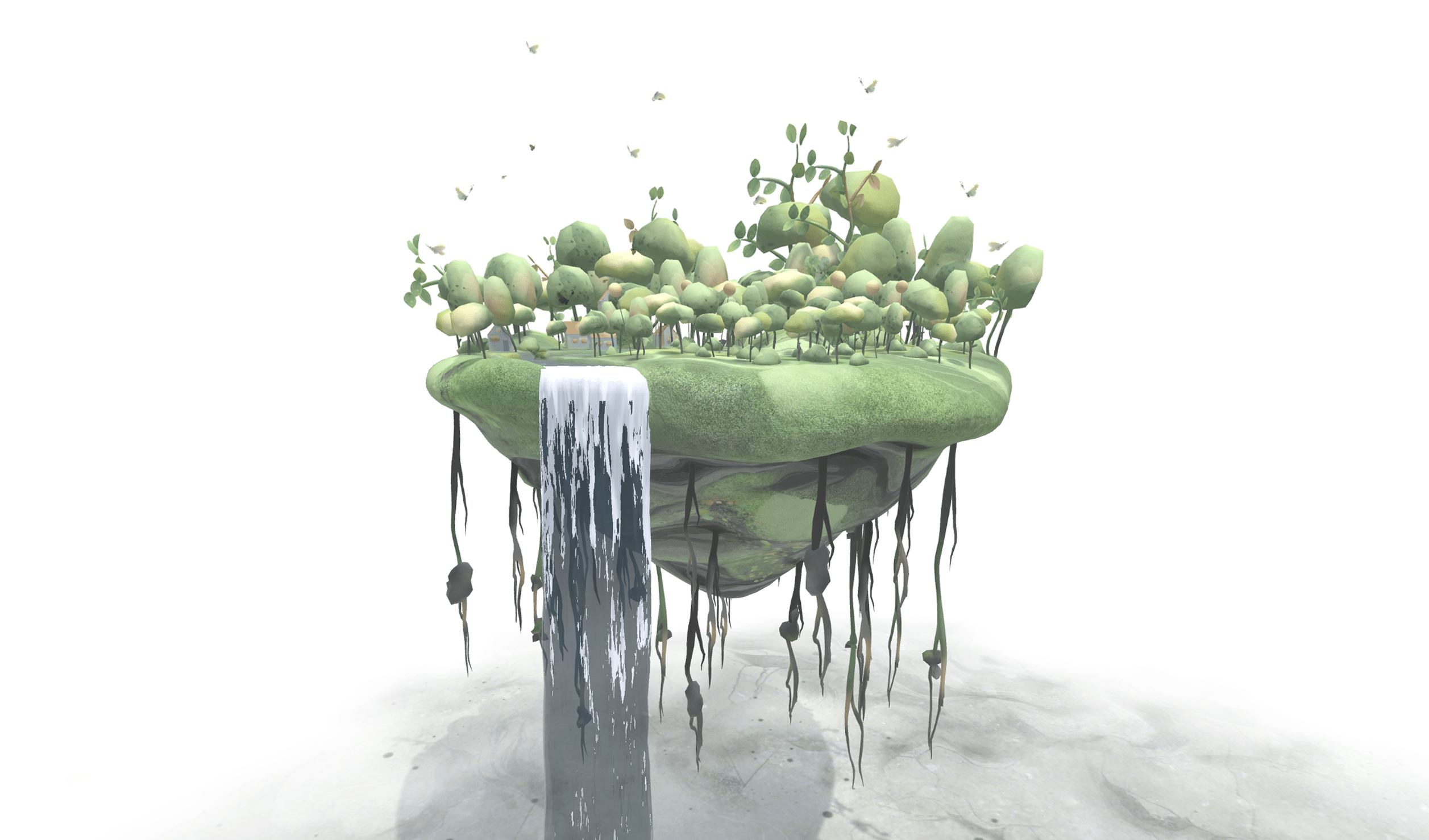
This year, I’m collaborating with East Sussex College to run the VR Hub. It will showcase student work alongside artists like Kris Hoffman and Brighton-based filmmaker Kim Noce.
I also always aim to keep parts of the festival free for accessibility, so the VR Hub, AR exhibition, and talks like Cartoon County are all free to attend.
What advice would you offer to emerging filmmakers and animators starting out today?
Show up, join in, be reliable, and be good to people. Also, make time to rest, and have a hobby that isn’t screen-based so you can properly switch off.
Is there an animated film or series that has influenced you?
Director-wise, Michel Gondry originally inspired me to become a filmmaker. I love the surreal, mixed-media elements he brings to his work. I’ve also been inspired by recent American comedy – BoJack Horseman is incredible in how it uses anthropomorphism to explore serious cultural issues like gun violence, the #MeToo movement, and asexuality. Broad City isn’t animated, but it’s a brilliant portrayal of life through a female lens. And on the British side, shows like Smack the Pony, The Fast Show, and The Mighty Boosh have all influenced my writing.
You can take a look and book tickets for this year’s Brighton International Animation Festival here.
Interested in becoming a student at MetStudios?
Sign up for one of our Open Days or apply via UCAS.