How to get hired in animation: advice from Locksmith Animation’s head of talent
By metstudios
20 March 2026
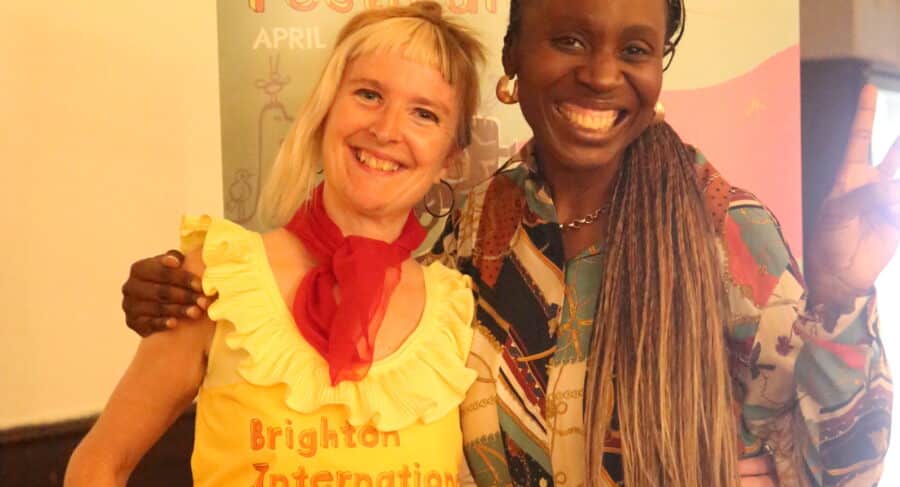
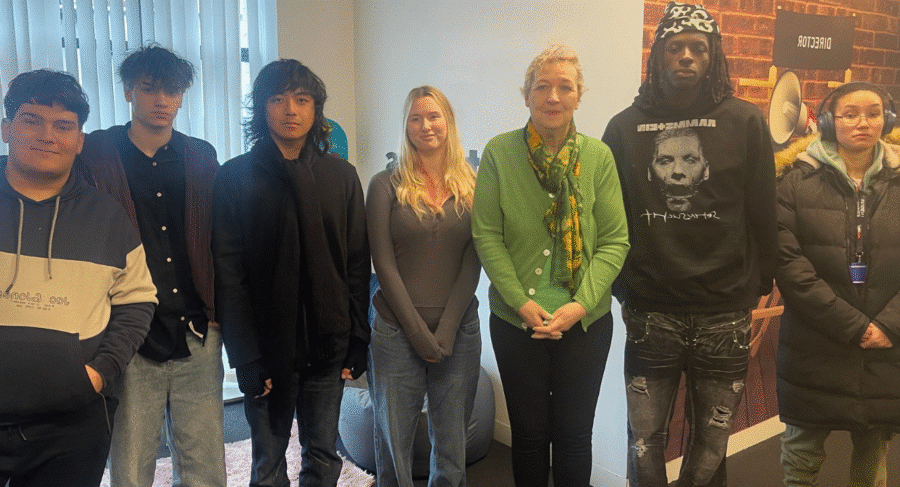
We sat down with Shelley Page following her recent visit to MetStudios London, where she worked closely with our BA Animation students on a short film project.
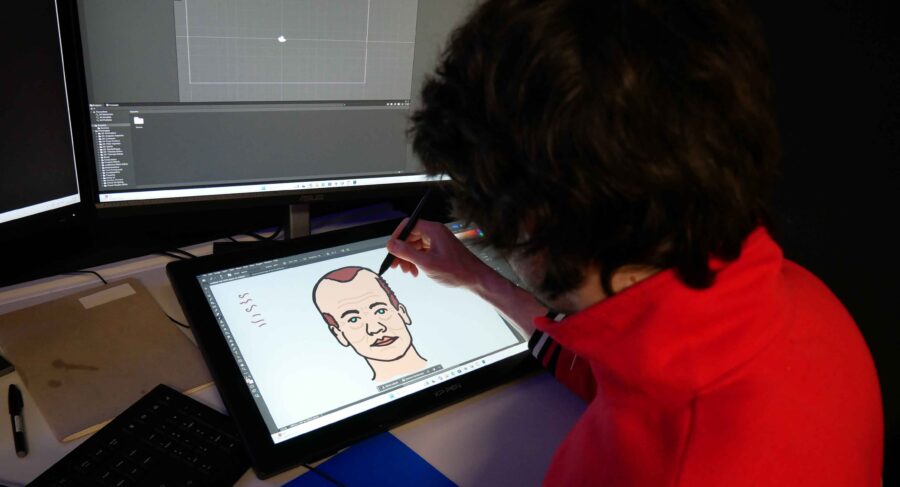
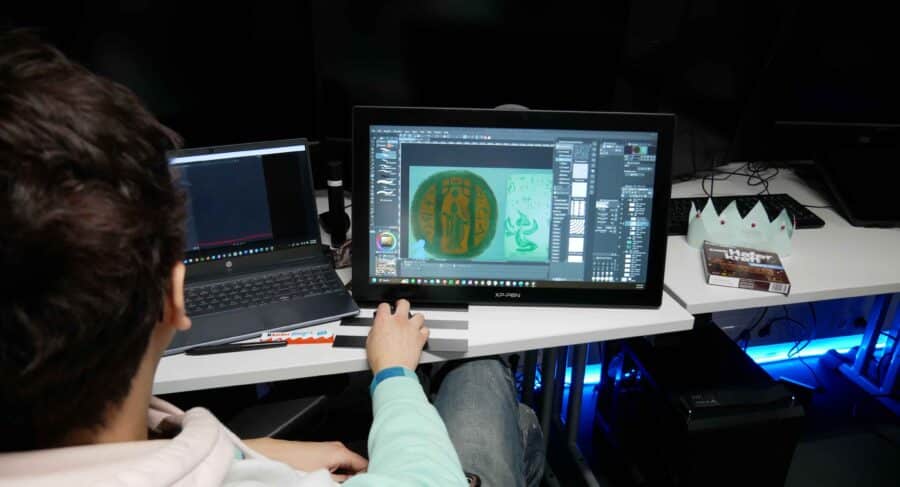
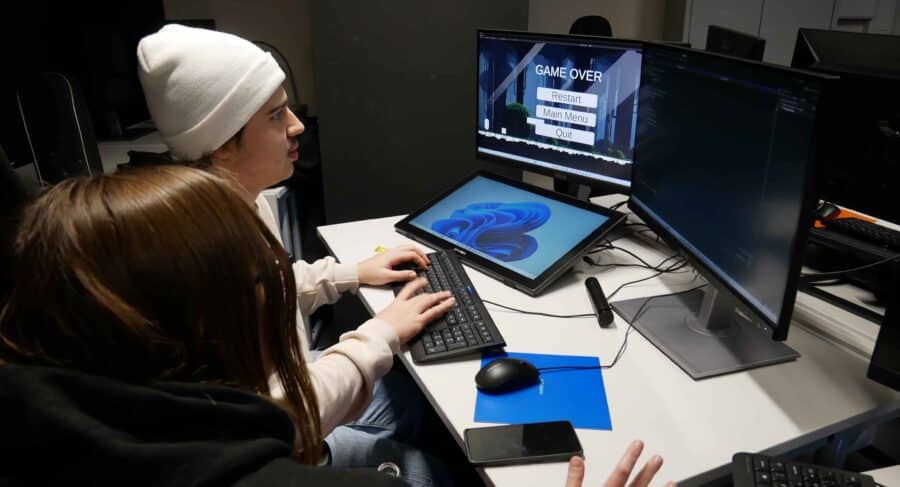
Shelley, who is currently Head of Talent at Locksmith Animation, set our students a six-week brief to develop and pitch an original short film based on the theme of friendship. As part of our Exploring Animated Storytelling module, students were challenged to collaborate, refine their ideas, and present their concepts in a professional studio-style setting.
We spoke to Shelley about her extraordinary career, the guidance she offers emerging talent, and the ideas behind the student brief.
Can you tell us about your background and career journey?
My name is Shelley Page, and I’m an animation talent scout. I’ve been working in feature animation for about 35 years. I began as an illustrator, working across different areas, and that eventually led me to meet the extraordinary Richard Williams.
My first job was at his studio, working on Who Framed Roger Rabbit, where he was the animation director. After that, I joined Steven Spielberg’s animation studio, Amblimation, in London. That experience led me to Los Angeles in 1995, where I became part of the founding team at DreamWorks Animation.
My career has been quite linear, moving from one opportunity to the next. Now, alongside my work in talent recruitment, I spend a lot of time visiting schools and universities, particularly supporting graduates who want to enter the animation industry.
After working for such a major studio such as Dreamworks Animation, what do you look for in an animator?
What you look for doesn’t really change depending on the size of the studio. I’ve worked in very small teams, like Richard Williams’ studio with around 30 people, mid-sized London studios, large ones like DreamWorks with over 1,000 people, and now Locksmith Animation, which sits somewhere in between.
The main difference comes down to the budget of the project. For larger productions, you’re often looking for people with significant experience and an established reputation. For smaller projects, you can take more risks and give opportunities to people with strong potential. Many of the people I’ve hired over the years were chosen because of that potential.
What stands out to you when reviewing an animator’s portfolio?
Because I come from an artistic background, I’m very influenced by colour, atmosphere, and design quality. Of course, technical skill is important, but what really moves me is when an artist can create emotion in their work.
For background artists, that emotional atmosphere is key. For character designers, I look for real personality, characters that feel like they could jump off the page. It’s quite hard to define, but you know it when you see it. For example, with Wallace and Gromit, you instantly understand who they are. That clarity and personality are incredibly important.
What still excites you about discovering new artists?
What excites me most is the possibility of discovering someone at the very beginning of their career who will go on to really shape the industry. Sometimes it’s a storyteller, sometimes it’s a visual artist, but they have a unique quality.
When I think back to the early artists I hired in the 1990s, many of them are now directors or hold senior roles in major studios. Some are working on major productions, and one is even co-directing a film at Locksmith Animation. There’s great satisfaction in seeing those careers grow, especially when I remember their graduation films so clearly.
What advice would you give to someone starting out in animation?
It’s an interesting time to enter the industry because there’s so much available online – advice, tutorials, and other artists’ work. It can feel overwhelming. The most important thing is to be true to yourself. What matters is that your portfolio represents you, not what you think others want to see. Your personal voice is really important.
Are there any animation trends students should be aware of?
Recently, I attended a conference in France where many studios presented projects in development. One thing that stood out was the increasing collaboration between French and Japanese studios. Anime has become so mainstream that it’s no longer just an influence, it’s becoming a true partnership.
Interestingly, there’s also a shift in what audiences want. There’s some fatigue around fantasy, and more interest in stories about relationships and friendships, possibly influenced by the pandemic and people craving connection. Audiences are also less interested in romance for its own sake and more interested in meaningful relationships. That aligns well with the kinds of stories we focus on at Locksmith Animation, which often centre around connection and emotional storytelling.
What excites you about Locksmith’s upcoming project, Bad Fairies?
One of the unique pleasures of my job is being involved from the very beginning of a project right through to completion. With Bad Fairies, I was there at the start, helping to find artists to design the world and characters. It’s set in London, but there’s an alternative fairy version layered on top of the real city. That opens up lots of creative possibilities, reimagining landmarks like the Shard or the London Eye in a fairy context.
We also have another major project in development in Los Angeles, based on The Lunar Chronicles. That’s a completely different kind of story, set in a rich, unique universe. It’s exciting to work across such varied projects.
Do you have a favourite animated film or memorable scene?
While I was at DreamWorks, I loved How to Train Your Dragon, especially the scene where Hiccup touches Toothless for the first time. More broadly, I’m a huge fan of Miyazaki. My Neighbour Totoro and Spirited Away are masterpieces. I also really appreciate independent films that aren’t as widely known. For example, Little Amélie is absolutely beautiful. I actually met the directors when they were students, so it’s been wonderful to follow their journey.
Circling back to the student project, why did you choose friendship as the theme for the brief?
I wanted a theme that could be approached from many different angles. Friendship is a broad subject, it can be about seeking connection, losing it, rejecting it, or understanding it. It’s also fundamental. When I look at short films, I’m always drawn to stories with emotional connection. Whether the characters are humans, animals, or even robots, I need to feel something. I’m not interested in visuals or action alone, there has to be emotional meaning behind it.
How does this brief help prepare students for the industry?
I always encourage collaborative work because it’s the closest experience to working in the real industry. Animation is all about teamwork. Accepting feedback can be a challenge but is essential to thrive in this industry. It’s been very interesting working with the MetStudios students and seeing the different ideas the students came up with.
Key takeaways from Shelley Page’s visit
Shelley’s insights opened a window into the animation industry, giving our students an inspiring, behind-the-scenes look at what truly brings stories to life. By emphasising the power of storytelling, emotional resonance, and a distinct personal voice, Shelley sparked new ideas and creative confidence. Energised by this experience, students are now diving back into their work – refining their narratives, pushing their creativity further, and weaving these fresh perspectives into standout portfolio pieces.
Do you want to learn from industry professionals like Shelley? Our BA Animation course connects you with top studios like LockSmith Animation, letting you get hands-on experience with the same processes used at Pixar and DreamWorks.
Interested in becoming an animator at MetStudios?
Sign up for one of our Open Days or apply via UCAS.
Craft the Digital Worlds of Tomorrow.
MetStudios is for people who imagine new worlds and want to bring them to life. Small classes, one-to-one mentorship, and practical, hands-on projects sit at the heart of everything we do. We put wellbeing and diversity first, so you have the space and confidence to explore your creativity and create work that feels truly your own.